Why Muscle Matters More Than Weight
Women weren’t failing at weight loss — weight loss was the wrong focus. This will show you what to focus on and how to begin.
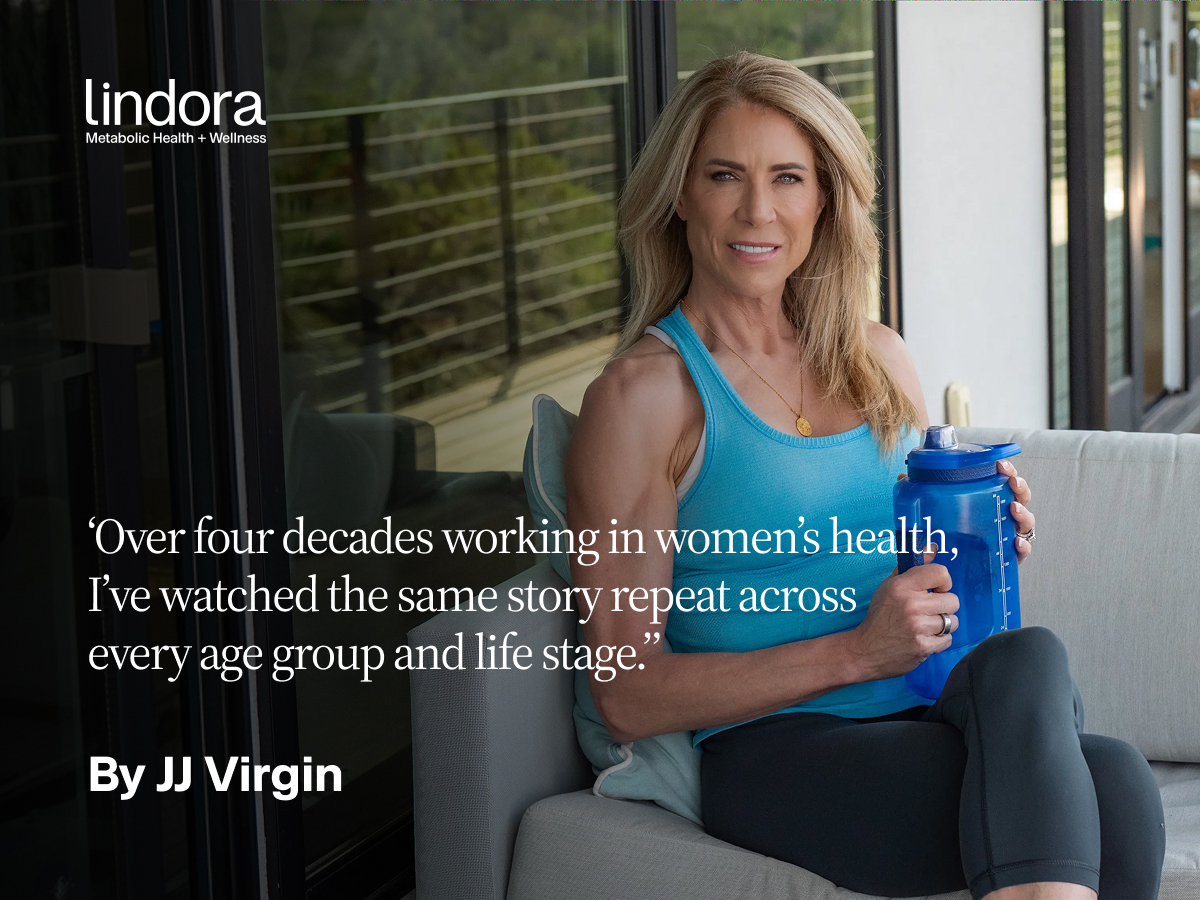
Over four decades working in women’s health, I’ve watched the same story repeat across every age group and life stage.
Women tried harder.
They ate less.
They exercised more.
At first, the scale moved. But something else slowly appeared:
They slept less.
They had less energy.
Their cravings were stronger.
Weight became harder to manage, even when they did the same things that had always worked. Many women describe it the same way:
“My body stopped working the way it used to.”
This isn’t a motivation problem.
It’s a focus problem — they were focusing on the scale.
What Most Women Actually Want
Most women don’t truly want a smaller number on the scale.
They want to feel confident in their clothes.
They want energy that lasts all day.
A clear head.
Predictable appetite.
Strength in their body.
To feel like their body supports their life again.
A day where they:
Wake up rested.
Aren’t exhausted by 2 pm.
Cravings are quiet.
Their mood is steady.
They feel strong.
That experience has a name: vitality.
Vitality is the feeling.
Metabolic health is what creates it.
Metabolic health is your body’s ability to regulate energy, hunger, blood sugar, and weight the way it was designed to.
When it’s working, life feels easier.
When it isn’t, you feel like you’re fighting your own body.
Why We Learned to Trust the Scale
When weight started affecting confidence, we looked for the fastest solution:
lose pounds.
The plan felt simple:
get smaller, get lighter, feel better.
We focused on the outside first and assumed the inside would follow.
The scale became our main marker of progress because it was easy to track.
Eating less became the strategy.
And at first, the number dropped.
We felt relief.
But something else was happening at the same time.
Hunger had to be managed constantly.
Energy dips became normal.
Focus felt harder.
It wasn’t sustainable.
The weight returned.
Each time we lost weight, we weren’t only losing fat — we were also losing muscle if the body wasn’t supported to preserve it.
So every new attempt began with less of the very tissue that helped:
- Metabolism
- Blood sugar
- Appetite
- Energy
The scale measured weight, not metabolic health.
And without metabolic health, vitality never lasts.
That was traditional weight loss.
Enter GLP-1 — Helpful, But Not the Whole Answer
Newer medical tools, such as GLP-1 medications, helped many women finally control their appetite. For the first time, eating less didn’t feel like a constant battle.
That relief matters.
But GLP-1 works primarily by helping you eat less — and eating less, without support, can create the same problem traditional dieting did.
When the body isn’t supported, weight loss doesn’t come only from fat.
It also comes from the muscle.
So while the scale drops faster, the metabolic engine weakens.
Many women notice this later:
Hunger returns, energy is lower, and weight regain becomes easier.
This doesn’t mean the therapy is wrong. With the right structure, it can be transformative.
Hormones, peptides, IV therapies, and other treatments can help, too —not as replacements for the foundation, but as support for it.
And after seeing the same cycle repeat, many women start to wonder if it stops with them — or if their children will face the same struggle.
Break the Cycle at Lindora
Instead of chasing the scale, we break the cycle by restoring metabolic health — using a medically guided, personalized plan based on your biology that supports muscle and unlocks vitality.
Your body begins working with you instead of against you.
How to Start
Step 1: The First Inputs — Your Assessment
We begin with a complimentary 20-minute Metabolic Assessment.
Not a weigh-in — clarity.
You’ll see your body composition and whether your muscle support and muscle quality are strong enough to support healthy metabolism.
This is the first data we use to begin building your medically guided, personalized plan.
Step 2: The Complete Picture — Labs & Plan
If you choose to continue, you can become a Lindora member for $99.
Membership includes specialized metabolic lab testing that helps identify factors behind weight-loss resistance and past challenges.
We pair your lab results with your assessment data to create a complete picture of how your body is functioning. A medical provider reviews both and builds your personalized plan.
We strengthen your foundation — nutrition, muscle support, and daily habits — while also using medically guided therapies such as GLP-1, hormone optimization, or peptides when appropriate, along with supportive services like NAD+, IV hydration, or body contouring.
The goal is simple: use the right tools, at the right time, for your body — safely and under medical guidance.
And as a thank-you for taking that step, you’ll receive $100 to use toward any Lindora service.
Vitality starts with understanding your body — and that begins with a plan.
Begin by booking your complimentary Metabolic Assessment at your nearest clinic using the link here.
To your strength,
JJ Virgin